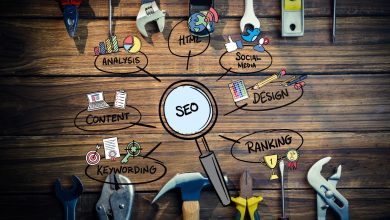
While many companies spend time and money building their internet presence, success is not assured by exposure alone. Even with thousands of website visitors or social media followers, a business may not see significant growth. Digital marketing’s real worth is found in its capacity to link quantifiable income with brand awareness. Visibility transcends exposure when all marketing initiatives are in line with a specific business goal. It becomes a route for long-term expansion.
The First Opportunity Is Created By Visibility
Consumers are unable to choose a company they are unfamiliar with. Visibility establishes the first point of contact, regardless of how customers find a business through search engines, social media, online reviews, or instructional materials.
But just showing up online is insufficient. Businesses must use communications that speak to the interests and difficulties of the appropriate audience at the appropriate time. Strategic advertising, optimized websites, and high-quality content all work together to make sure that prospective consumers are aware of the brand while they are actively seeking solutions.
People are more likely to recall the company when they are ready to make a purchase because of this initial awareness, which increases familiarity.
Building Trust Via Consistent Messaging
Businesses need to build a reputation after garnering notice. Before making a choice, customers often evaluate many businesses, particularly for goods or services that demand a large financial commitment.
Professionalism is reinforced by a consistent message throughout social media, email campaigns, websites, and ads. Expertise is shown while lowering ambiguity via clear branding, educational material, and insightful analysis.
Businesses can ensure that prospective clients hear the same reliable message throughout their journey by working with Denver’s most experienced digital marketing agency to maintain consistent communication across all digital channels.
Content Aids Consumers In Making Decisions
Promotion is only one aspect of digital marketing. Before making a purchase, consumers may evaluate alternatives, comprehend items, and find solutions with the use of educational information.
Common questions are addressed while showcasing industry expertise via articles, videos, case studies, FAQs, and downloadable resources. This strategy presents organizations as trustworthy information providers rather than as enterprises that are just interested in making sales.
Customers are more likely to make a purchase when they are more educated, which boosts conversion rates.
Data Enhances Marketing Outcomes
Accurately measuring outcomes is one of digital marketing’s biggest advantages. Every campaign produces useful data that companies may use to enhance performance in the future.
Metrics that show what is effective and what has to be adjusted include website traffic, conversion rates, click-through rates, customer engagement, and lead quality. Businesses base their judgments on actual client behavior rather than conjecture.
Marketing expenditures may provide higher returns thanks to this ongoing optimization, which also cuts down on wasteful spending on inefficient tactics.
The Purchase Journey Is Supported By Several Channels
Seldom do modern consumers make a purchase after only one encounter. They often use one platform to find a company, do further research elsewhere, and then finish their purchase.
Throughout this process, social media marketing, email campaigns, content marketing, paid advertising, and search engine optimization all play distinct roles. No matter where they engage with the company, consumers get a smooth experience when various channels collaborate.
Companies that combine these initiatives increase engagement and increase the likelihood that interested visitors will become devoted clients.
Revenue Is Affected By Customer Experience
Growing revenue relies on more than just bringing in new clients. Positive digital experiences promote long-term loyalty, recommendations, and repeat business.
Higher satisfaction levels are influenced by a variety of factors, including prompt customer service, mobile-friendly design, quick loading times, and easy navigation.
Consumers are more inclined to trust a company, refer it to others, and stick with it over time if they had a positive online experience. This lowers the cost of gaining new clients while raising customer lifetime value.
Aligning Strategic Marketing With Business Objectives
Marketing strategies that are successful start with well-defined goals. Every marketing effort should serve a company’s goals, whether they be to boost revenue, provide quality leads, enter new markets, or improve client retention.
Organizations may develop tailored plans based on quantifiable objectives rather than discrete marketing techniques by working with Denver’s most experienced digital marketing agency. This connection ensures that each campaign does more than just garner short-term interest; it also adds to long-term company success.
Conclusion
Business success begins with brand awareness, but income comes from turning attention into deep connections with customers. To take consumers from awareness to action, effective digital marketing includes data-driven decision-making, strategic planning, compelling content, and well-coordinated customer experiences. In an increasingly cutthroat digital market, companies that prioritize both visibility and quantifiable results develop stronger brands, draw in better clients, and generate steady revenue growth.