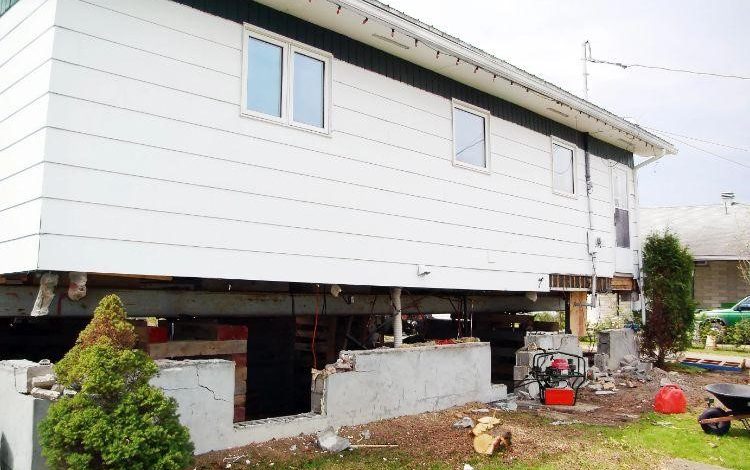
Homes may look perfectly solid from the street, but some of the most important structural work happens out of sight. Beneath the floors, a network of piers, beams, and joists carries the house’s weight and transfers it into the ground. When those parts begin to shift or weaken, the signs often appear slowly. A slightly uneven floor or a sticking door may be the first clue that something below needs attention.
For older homes in particular, pier and beam foundation repair has become an important part of maintaining structural stability. These foundation systems were widely used because they raise the home above the ground and provide access to plumbing, wiring, and other components. Learn more about local foundation services at https://foundationrepairterrehaute.com/. That crawl space can be useful, but it also exposes structural materials to moisture, soil movement, pests, and changing conditions beneath the house.
Understanding how this foundation system works makes it easier to spot trouble early. You don’t need to be a construction expert to recognize warning signs or understand why repairs may be necessary.
How Pier And Beam Foundations Support Homes
A pier and beam foundation relies on several structural parts working together.
Piers sit beneath the structure and carry the home’s weight into the ground. Beams rest on those piers and spread the load across the foundation. Floor joists run across the beams and support the flooring above them.
Because the house sits above ground level, it usually has a crawl space below the floor. Contractors may use this area to inspect structural components, plumbing lines, electrical systems, and moisture conditions.
The design offers useful access, but problems in one part of the system may affect nearby components. A sinking pier, for example, may cause a beam to drop slightly. That movement may eventually show up as an uneven floor inside the house.
Why Foundation Problems Develop Over Time
Foundation problems often begin with changes in the soil.
Some soils expand when they absorb water and shrink when they dry. Repeated cycles of swelling and shrinking may gradually move foundation supports. Individual piers may settle at different rates, creating uneven support beneath the structure.
Moisture is another common concern. Water that collects beneath a house may soften soil and expose wooden beams and floor joists to damp conditions.
Over time, moisture may contribute to wood decay, mold growth, or weakened structural materials. Plumbing leaks, poor drainage, clogged gutters, and improper grading around the home may all increase moisture levels beneath the foundation.
Age also matters. Older piers, beams, and joists may have supported the structure for decades. Materials naturally wear down, and previous repairs may no longer provide the same level of support they once did.
Watch For Changes Inside Your Home
Foundation movement often leaves clues above the crawl space.
One common sign is uneven flooring. You may notice that a room seems to slope slightly or that certain areas feel soft or bouncy when you walk across them.
Doors and windows may also become harder to open or close. When the structure shifts, frames may move out of alignment.
Other possible warning signs include cracks around doors and windows, gaps where walls meet floors, cracked interior finishes, or floors pulling away from baseboards.
These symptoms do not always mean major structural damage. Houses naturally settle and materials change over time. However, several symptoms appearing together may be worth investigating.
A professional inspection can determine whether pier and beam foundation repair is needed or whether another issue is causing the changes.
The Crawl Space May Reveal More
The crawl space often tells a different story than the rooms above it.
Visible standing water is an obvious concern. Damp soil, musty odors, rotting wood, rusting metal components, or damaged insulation may also indicate excess moisture.
Structural supports should appear stable and properly positioned. Leaning piers, damaged beams, cracked supports, or noticeable gaps between structural components may point to movement.
Crawl spaces can be tight, dark, and difficult to navigate safely, so trained professionals should handle detailed structural inspections.
Why Early Attention Matters
Foundation problems rarely improve on their own.
If a pier continues to settle, additional weight may shift onto nearby supports. Beams and joists may then begin carrying loads differently than they were designed to.
The result may be gradually increasing movement throughout the floor system.
Early pier and beam foundation repair may limit how far the problem spreads and reduce the number of affected structural components. It may also make it easier to identify the original cause, such as poor drainage or moisture beneath the house.
Watching small changes over time is useful. Photos of cracks, notes about uneven floors, or records of when a door began sticking may provide valuable information during an inspection.
What Happens During A Foundation Inspection
A professional inspection usually begins with the visible symptoms inside the house.
The contractor may check floor elevations to determine where the structure has moved. The contractor may also inspect doors, walls, flooring, and other interior areas for signs of settlement.
The contractor then examines the crawl space to identify conditions beneath the structure. Inspectors may check piers, beams, floor joists, and connections for movement or damage.
Moisture conditions are also important. Inspectors may look for plumbing leaks, drainage problems, wet soil, damaged wood, or other sources of excess moisture.
The purpose is to identify the cause rather than simply treating what is visible inside the house.
Common Methods Used To Restore Support
Repair methods depend on what the inspection finds.
Damaged or settled piers may need adjustment, reinforcement, or replacement. Contractors may install additional supports where existing piers no longer carry the structure properly.
Beams and floor joists may also require reinforcement when they have weakened or shifted.
In some situations, contractors may carefully raise portions of the structure to improve floor elevation. This process must be controlled because moving a structure too quickly can stress walls, plumbing, flooring, and other materials.
Effective pier and beam foundation repair focuses on restoring proper structural support while dealing with the conditions that caused the movement.
Moisture Management Deserves Attention Too
Structural repairs work best when you address moisture problems at the same time.
Gutters and downspouts should direct rainwater away from the foundation. Soil around the house should generally slope away rather than allowing water to collect near the perimeter.
Repair plumbing leaks beneath the structure promptly.
Depending on crawl space conditions, you may also consider drainage improvements or vapor barriers. Keeping moisture under control protects wooden structural materials and reduces unwanted changes in the soil beneath the house.
Depending on crawl space conditions, you may also consider drainage improvements or vapor barriers. Controlling moisture protects wooden structural materials and reduces unwanted changes in the soil beneath the house. The U.S. Environmental Protection Agency also provides guidance on moisture control and reducing damp conditions in buildings.
Simple Habits May Catch Trouble Earlier
You do not need specialized tools to monitor your foundation.
Walk through your home occasionally and notice how the floors feel. Watch for doors or windows that start sticking when they previously operated normally.
After heavy rainfall, look for areas where water collects around the house. Check that downspouts are directing runoff away from the foundation.
Small observations may reveal patterns. If changes continue or become more noticeable, scheduling an inspection provides a clearer picture of what is happening beneath the structure.
Understanding What Lies Beneath
Pier and beam foundations have supported homes for generations, and many continue to perform well with proper maintenance. Their design also makes regular awareness especially useful because moisture, soil movement, and aging materials may gradually affect components below the floor.
Uneven floors, sticking doors, crawl space moisture, and shifting supports should not automatically cause alarm, but they should not be ignored either. Recognizing changes early gives you more information about your home’s condition and what action may be appropriate.
When problems are identified, professional pier and beam foundation repair can restore support, correct damaged components, and reduce the risk of additional movement.
If you are noticing sagging floors, shifting supports, or other signs of foundation trouble, Expert Foundation Repair Terre Haute provides professional foundation inspections and repair services focused on identifying the source of the problem and restoring solid support beneath your home.