Stormwater has a way of finding every low spot, compacted patch of soil, and poorly graded corner around a property. After a heavy rain, water may collect in the yard, flow toward a building, or carve small channels through landscaping. A little standing water may not look serious at first, but repeated saturation may lead to erosion, muddy ground, stressed plants, and moisture problems near structures.
A modern french drain in Greenwood provides one practical way to redirect unwanted water before it settles where it should not. Today’s drainage systems use improved materials, thoughtful placement, and better planning to manage runoff while fitting into a larger stormwater strategy. Understanding how these systems work makes it easier to spot drainage concerns and choose an appropriate response.
Why Stormwater Deserves More Attention
Rainfall does not disappear when it reaches the ground. Some water soaks into soil, while the rest moves across the surface until it reaches a lower area. Lawns and gardens absorb part of that rainfall, but roofs, patios, driveways, sidewalks, and other hard surfaces create more runoff.
The U.S. Environmental Protection Agency explains that developed areas often produce more stormwater because roads, buildings, parking areas, and similar surfaces prevent rainfall from soaking naturally into the ground. Runoff may also pick up sediment, chemicals, nutrients, and other pollutants before entering storm drains or waterways.
Readers interested in learning more about runoff management may explore the U.S. EPA’s stormwater resources.
Around individual properties, drainage trouble often shows up as standing water, unusually soft soil, washed-out landscaping, or areas that stay wet for days after rainfall. Watching where water travels during a storm often reveals more than inspecting the same yard on a sunny afternoon.
Modern Drainage Goes Beyond Basic Trenches
Traditional drainage methods are fairly straightforward. Water enters a gravel-filled trench, reaches a perforated pipe, and travels toward a suitable outlet. The concept remains useful, but modern installations focus much more closely on how the entire property handles water.
A well-planned french drain begins with identifying where the excess water comes from. It may originate from an uphill section of land, roof runoff, compacted soil, nearby pavement, or natural groundwater movement.
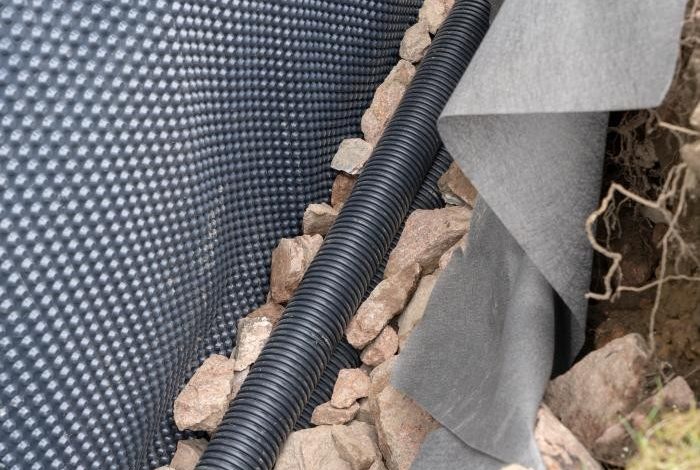
Material choices matter too. A perforated pipe needs enough capacity for expected water volume. Clean drainage stone leaves open space for water to move through. Filter fabric separates surrounding soil from the drainage material and reduces sediment entering the system.
Slope is another major factor. Water needs a consistent path toward the outlet. Poor slope may leave water sitting inside the pipe instead of moving away from the wet area.
Modern planning also considers access for inspections and cleaning. A drainage system buried and forgotten for years may eventually collect sediment, roots, or debris that restrict flow.
Placement Makes A Major Difference
One of the most important updates in stormwater planning is a greater focus on intercepting water rather than simply draining the place where it collects.
Imagine a sloped yard where runoff travels downhill and pools beside a patio. Installing drainage directly beneath the puddle treats the final symptom. A better location might intercept the runoff farther uphill before it ever reaches the patio.
A french drain may be positioned across a slope, beside chronically wet landscaping, or along another path where unwanted water naturally travels. Every property has different grading and soil conditions, so placement should reflect the actual direction of water movement.
Property occupants may learn a great deal by observing conditions during moderate or heavy rainfall. Look for flowing water, overflowing downspouts, erosion lines, low areas, and places where runoff from hard surfaces enters the lawn.
The outlet deserves equal attention. Redirecting water from one wet area into another creates a new problem instead of solving the original one. Review local drainage requirements before selecting a discharge point.
Combine Different Stormwater Strategies
Underground drainage is only one piece of modern stormwater control. Many properties benefit from combining several approaches based on their layout.
Redirect downspouts away from vulnerable areas. Grading changes may encourage surface water to move in a safer direction. Vegetated swales may slow and guide runoff. Rain gardens provide planted areas where water temporarily collects and gradually enters the soil.
Permeable pavement is another option in suitable locations. Unlike traditional concrete or asphalt, permeable surfaces allow more rainfall to pass through rather than run across the property.
The EPA identifies rain gardens, permeable pavement, vegetated systems, and other green infrastructure practices as ways to manage stormwater closer to where rainfall occurs. These approaches may reduce runoff while allowing soil and vegetation to filter part of the water naturally.
Combining surface drainage with underground systems creates a broader strategy, rather than relying on one feature to handle every storm.
Maintenance Keeps Water Moving Properly
Drainage systems work quietly underground, which makes them easy to forget. Regular checks keep small problems from going unnoticed.
The outlet is a good place to start. Leaves, soil, vegetation, or other debris may block water from leaving the system. After major rainfall, check that water is flowing from the intended discharge point.
A French drain may also show signs of trouble when previously dry areas begin holding water again. Slow drainage may indicate sediment buildup, root intrusion, pipe damage, or changing conditions elsewhere on the property.
Landscaping changes deserve attention as well. New patios, walkways, garden beds, sheds, or grading work may alter the direction of runoff. A system designed around an older layout may perform differently after those changes.
Seasonal inspections offer a chance to notice these shifts before repeated saturation becomes harder to manage.
Watch For Larger Drainage Warning Signs
Some moisture problems extend beyond an isolated wet patch in the lawn. Water repeatedly collecting next to a foundation, recurring basement moisture, significant soil erosion, or changes in ground level may point to a broader drainage concern.
Documenting what happens during storms provides useful information. Take photos of standing water and note how quickly it disappears. Watch where roof runoff travels. Look for soil washing away from slopes or landscaping.
These observations make it easier to understand patterns rather than judging the property based on a single rain event.
Drainage problems may involve several factors at once, including grading, soil conditions, downspouts, underground water, and nearby paved areas. Looking at the entire site creates a clearer picture of what is happening.
Smarter Drainage Starts With Observation
Effective stormwater control begins with understanding where water originates, how it travels, and where it eventually collects. Better pipe materials and filtration are useful, but placement and overall drainage planning remain equally important.
Modern stormwater strategies increasingly combine underground drainage with grading, landscaping, permeable surfaces, and other methods that manage runoff closer to its source. Regular inspections also keep drainage systems working as site conditions change.
Water will always follow the easiest path. Thoughtful planning gives that water a better place to go.
If recurring water buildup, poor yard drainage, or moisture near your foundation has become a concern, Greenwood Foundation Repair Specialists offers professional drainage services tailored to your property’s conditions. Contact Greenwood Foundation Repair Specialists to discuss practical options for improving stormwater control and keeping unwanted water moving away from vulnerable areas.


