Drip edge is a crucial component in modern roofing systems, yet many homeowners are unfamiliar with its purpose and importance. This thin metal flashing is installed along the edges of a roof to direct water away from the fascia and underlying components, helping to prevent water damage, rot, and other costly issues. While it may seem like a minor detail, the presence or absence of drip edge can significantly impact the longevity and performance of a roof. Understanding what drip edge is, how it works, and whether it is necessary can help homeowners make informed decisions about their roofing projects and protect their investment for years to come.
Understanding drip edge and its importance
What Is Drip Edge?
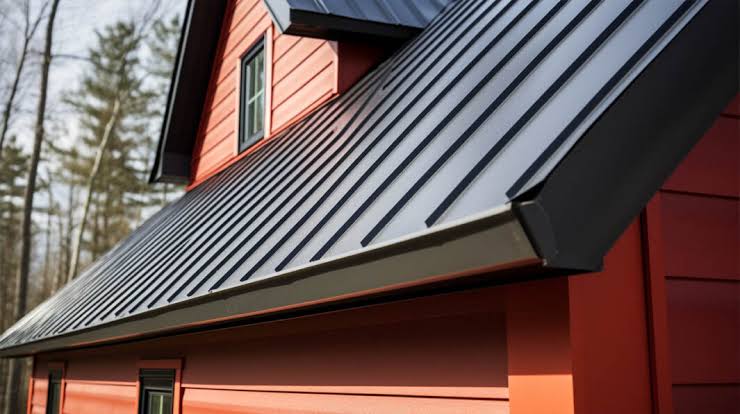
Drip edge is a type of metal flashing that is installed at the edges of a roof, typically along the eaves and rakes. Its primary function is to guide water away from the fascia and into the gutters, preventing water from seeping underneath the roofing materials. Drip edge is usually made from aluminum, galvanized steel, or sometimes copper, and is designed to withstand exposure to the elements. The shape of the drip edge creates a small overhang, which ensures that water flows off the roof cleanly rather than clinging to the edge and potentially causing damage. Without drip edge, water can find its way behind the gutters or under the shingles, leading to wood rot, mold growth, and deterioration of the roof deck. Building codes in many areas now require drip edge installation on new roofs or during roof replacements, highlighting its recognized value in protecting homes from water-related issues.
How Drip Edge Protects Your Roof
The protective role of drip edge extends beyond simply directing water away from the roof. By creating a physical barrier, drip edge helps to shield the underlying wood components, such as the fascia board and roof decking, from moisture infiltration. This is particularly important during heavy rain or when snow and ice melt, as water can easily travel along the underside of shingles and reach vulnerable areas. Drip edge also helps to prevent wind-driven rain from being forced under the roofing materials, which can lead to leaks and structural damage over time. In addition, it discourages small animals and insects from entering the roof space at the edges, further safeguarding the integrity of the home. For homeowners in Montgomery, working with a Roofing Company Montgomery AL ensures that drip edge is installed correctly and in compliance with local building codes, providing peace of mind and long-term protection.
Drip Edge and Building Codes
Building codes across the United States have increasingly recognized the importance of drip edge in roofing systems. Many local and national codes now mandate the installation of drip edge on new roofs and during roof replacements. These regulations are designed to ensure that homes are adequately protected from water intrusion and the associated risks of rot, mold, and structural damage. In areas prone to heavy rainfall or severe weather, the absence of drip edge can lead to significant problems, including premature roof failure and costly repairs. Inspectors often check for proper drip edge installation during final roof inspections, and failure to comply with code requirements can result in delays or the need for corrective work. Homeowners should be aware of the specific requirements in their area and ensure that any roofing contractor they hire is knowledgeable about current codes and standards. Proper installation of drip edge not only meets legal requirements but also provides an added layer of defense for the home.
Types of Drip Edge Materials
Drip edge is available in several different materials, each with its own advantages and considerations. Aluminum is one of the most common choices due to its resistance to rust and corrosion, lightweight nature, and affordability. Galvanized steel is another popular option, offering increased strength and durability, though it may be more susceptible to rust if the protective coating is damaged. Copper drip edge is less common but provides a distinctive appearance and exceptional longevity, often used on high-end or historic homes. The choice of material can affect both the performance and the aesthetic of the roof, so homeowners should consider their climate, budget, and design preferences when selecting drip edge. Regardless of the material, proper installation is essential to ensure that the drip edge functions as intended and provides lasting protection against water damage.
Drip Edge Installation in Brief
Drip edge installation involves placing the metal flashing along the roof edges before the shingles are laid. It is typically installed over the underlayment at the eaves and under the underlayment at the rakes. This placement ensures that water flows off the roof and into the gutters, rather than seeping behind the fascia or under the shingles. Proper nailing and overlapping of the drip edge sections are important to create a continuous barrier. Even a small gap or improper alignment can compromise the effectiveness of the drip edge, so attention to detail during installation is critical.
Is Drip Edge Really Necessary?
Some homeowners may wonder if drip edge is truly necessary, especially if their existing roof does not have it. The answer is that drip edge plays a vital role in protecting the roof and the home’s structure from water damage. Without it, water can easily find its way behind the gutters and under the shingles, leading to rot, mold, and deterioration of the roof deck and fascia. Over time, these issues can result in expensive repairs and even compromise the safety of the home. Drip edge is a relatively inexpensive addition to a roofing system, but its benefits far outweigh the cost. It provides peace of mind, extends the life of the roof, and helps maintain the value of the property. For these reasons, most roofing professionals and building codes recommend or require the use of drip edge on all new roofs and replacements.
Conclusion
Drip edge is a small but essential component of any roofing system, serving as the first line of defense against water infiltration and the damage it can cause. Its role in directing water away from the roof’s edges, protecting the fascia and decking, and complying with building codes makes it a necessary feature for both new and replacement roofs. Homeowners who invest in proper drip edge installation can avoid costly repairs, extend the lifespan of their roof, and ensure the long-term safety and value of their home. Understanding the importance of drip edge and ensuring it is included in any roofing project is a smart decision that pays off in both protection and peace of mind.