Weather conditions can shift quickly throughout the year, and your home must be prepared to handle everything from heavy rain to intense sunlight. Strong weather protection not only preserves structural integrity but also supports long term comfort and efficiency. By focusing on key areas of the home that influence durability, homeowners can strengthen their property and reduce the likelihood of costly repairs. Understanding how to enhance weather protection helps create a safer, more resilient living environment.
Strengthening Your Roofing System
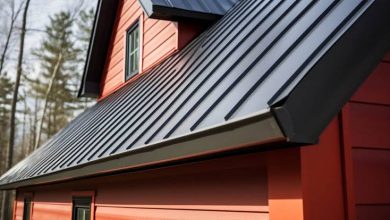
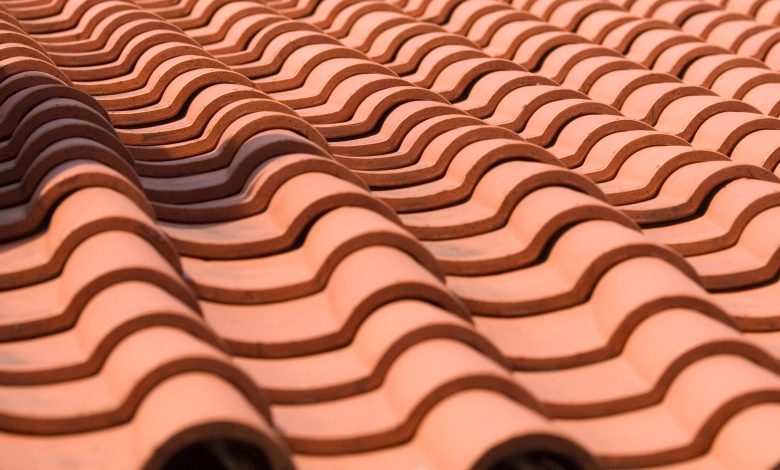
The roof is your home’s first line of defense against the elements, making its condition essential for year round protection. Over time, roofing materials can weaken due to exposure to moisture, wind, and temperature changes. When shingles begin to crack, curl, or lose granules, the roof becomes more vulnerable to leaks and structural damage. In some cases, homeowners may consider a roof replacement to restore durability and improve long term performance. A strong roofing system prevents moisture intrusion, supports insulation, and helps maintain a stable indoor environment. Investing in high quality materials and professional installation ensures that the roof continues to protect the home effectively.
Improving Exterior Sealing and Insulation
Proper sealing and insulation play a meaningful role in protecting your home from weather. Gaps around windows, doors, and exterior joints can allow drafts, moisture, and pests to enter. Over time, these openings may expand, increasing the risk of water damage or energy loss. Applying fresh caulking, updating weatherstripping, and reinforcing insulation help maintain a consistent indoor temperature and reduce strain on heating and cooling systems. These improvements also prevent moisture from entering areas where it can cause mold or deterioration. Strengthening exterior sealing supports both comfort and long term structural stability.
Upgrading Siding for Better Durability
Siding protects the home’s exterior walls from rain, wind, and temperature fluctuations. When siding becomes cracked, warped, or loose, it can no longer provide reliable protection. Upgrading to durable materials such as fiber cement or high quality vinyl helps improve resistance to moisture and impact. Modern siding options also offer better insulation and require less maintenance over time. A strong siding system enhances curb appeal while shielding the home from seasonal weather. By investing in durable siding, homeowners reduce the risk of long term damage and improve overall resilience.
Enhancing Gutter and Drainage Systems
Effective drainage is essential for preventing water from accumulating around the home. Gutters and downspouts help direct rainwater away from the foundation, reducing the risk of erosion, basement leaks, and structural damage. When gutters become clogged or damaged, water may overflow and seep into areas where it can cause deterioration. Regular cleaning, proper alignment, and timely repairs help ensure that the drainage system functions correctly. In some cases, homeowners may add gutter guards or extend downspouts to improve performance. A reliable drainage system supports long term protection and reduces the likelihood of moisture related issues.
Reinforcing Windows for Seasonal Changes
Windows play a significant role in weather protection, especially during periods of extreme heat or cold. Older windows may allow drafts, reduce energy efficiency, or struggle to withstand strong winds. Upgrading to double pane or impact resistant windows helps improve insulation and enhances durability. These modern options reduce heat transfer, support indoor comfort, and provide better protection during storms. Reinforcing window frames and ensuring proper installation also help prevent moisture intrusion. By improving window performance, homeowners create a more stable and energy efficient environment throughout the year.
Conclusion
Improving your home’s weather protection involves strengthening the roofing system, enhancing exterior sealing, upgrading siding, maintaining effective drainage, and reinforcing windows. With thoughtful planning and durable materials, homeowners can create a safer, more resilient property that withstands seasonal changes and supports long term comfort.