When a Thai League 2017/2018 ticket dies in the last minutes, the first impulse is rarely rational; anger, frustration, and the urge to “get it back” arrive faster than any analysis. Research on sports betting shows that this loss‑driven urgency is exactly what fuels chasing behaviour, where bettors raise stakes or place unplanned bets to recoup recent losses quickly. For anyone following a domestic league over a full season, learning to manage those emotions after each lost bill is the difference between a controlled hobby and a slow slide into problem gambling.
Why Losing Thai League Bets Hits So Hard
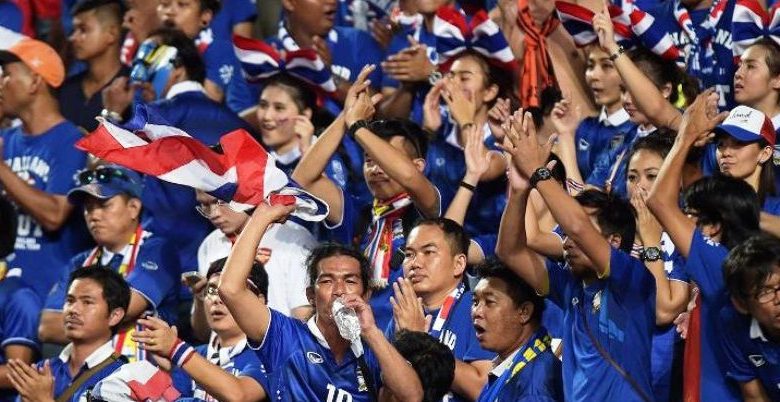
Thai League football is emotionally loaded because it ties into identity, regional pride, and group viewing, so a losing bet rarely feels like just a number on a screen. Sports‑betting psychology work notes that strong identification with teams and live, in‑play viewing make wins and losses feel more personal and more intense than other forms of gambling. In a season like 2017/2018, with regular fixtures and dramatic swings, that emotional charge was present almost every week.
This intensity makes losses particularly dangerous because they are experienced as both financial and emotional setbacks. Studies on loss‑chasing describe how negative feelings and impaired impulse control push bettors toward “urgency”—a state where they act quickly to remove discomfort, often by increasing stake size or frequency. In that moment, the brain prioritises relief over logic, which is precisely when chasing behaviour starts.
What “Chasing Losses” Looks Like in Football Betting
Chasing is not just losing again; it is a specific pattern where recent losses dictate your next decisions. Clinical and behavioural research defines loss‑chasing as continuing to gamble, often with larger bets than usual or more numerous bets, to win back what was lost. In sports betting, typical signs include raising your unit size after a defeat, betting on matches you had no plan to touch, or dropping your usual filters because you feel “due” a win.
For Thai League followers, this often means staying on the app after a painful defeat, jumping into another match on the same card or even into a foreign league later that night just to erase the feeling of loss. Once that pattern becomes normal, the original logic behind your 2017/2018 season plan disappears, replaced by short‑term emotional firefighting that typically deepens the hole instead of filling it.
Comparing Healthy vs Chasing Responses After a Lost Bill
Looking at responses side by side helps clarify where normal disappointment ends and dangerous chasing begins. Evidence from gambling‑psychology studies and practical guides highlights clear behavioural markers.
| After a losing bet | Healthy response | Chasing‑oriented response |
| Immediate feelings | Acknowledge frustration, step away from screens, accept that losing is part of probabilistic betting | Ruminate on the loss, replay the match in your head, feel an urgent need to “fix” it tonight |
| Next betting decision | Wait until the next planned Thai League matchday, keep stake size and filters unchanged | Increase stake or add extra, unplanned bets on the same day or on random matches |
| Story you tell yourself | “This result was within the risk I accepted; review process later.” | “I was unlucky; the next game will pay me back if I go bigger or keep playing.” |
Research shows that once a bettor regularly moves into the chasing column, the risk of developing or worsening gambling problems rises sharply, especially when emotion‑driven impulsivity is high. Recognising your own patterns in this table is the first step toward changing them before they harden into a habit.
Discipline and Psychology: Why Emotion Control Must Come Before “Strategy”
No amount of tactical knowledge about Thai League 2017/2018 can compensate for poor emotional control. Reviews of sports betting behaviour emphasise that impulsivity, negative urgency, and attempts to regulate mood through betting are strongly linked to more frequent in‑play bets and greater problem‑gambling severity. In other words, when you bet mainly to feel better rather than to follow a pre‑defined plan, your risk profile changes dramatically.
This makes emotion control a pre‑condition for any strategic approach. Guides on betting psychology argue that you should build a system that protects you from your own mood, not assume that willpower will be enough in the heat of a bad beat. For a Thai League season, that means deciding in advance how you will react to a losing weekend—how long you will wait, what you will review, and what you absolutely will not do—before you ever place the first bet.
Using UFABET‑Type Environments Without Feeding Loss‑Chasing
The digital setting where you place Thai League bets can either amplify impulsive reactions or help you enforce structure. Online systems make it easy to move from one market to another in seconds, a design that research links to higher rates of in‑play betting and emotion‑driven decisions. In that context, a site like แทงมวยufabet tends to function as a betting platform where multiple Thai and international markets sit on one screen, and the real question is how you interact with that convenience after a loss.
If your rule is that no new wagers are allowed immediately after a failed ticket, you can still use the same platform but in a different way: log in only to record results, review closing odds, or plan future fixtures, not to “fix” the last outcome. When you treat the interface as a tool for executing an external plan instead of as an emotional playground, the temptation to scroll into new bets as soon as you feel pain diminishes, even though the technical possibility remains.
Concrete Techniques to Cool Down After Losing a Thai League Bet
Emotional‑regulation research suggests that it is easier to avoid chasing when you have specific, rehearsed techniques rather than vague intentions. Practitioners and support organisations recommend combining short‑term interruption tactics with longer‑term reflection.
Practical cool‑down sequence after a loss
- Immediate pause: commit to a fixed “no‑bet window” (for example, until the next day or next match round) after any significant loss, regardless of how “obvious” the next opportunity seems.
- Physical reset: step away from the betting device; do a short walk, breathing exercise, or any activity that shifts focus away from the match and screen.
- Quick journal note: write down stake, odds, reasoning, and how you feel right now; this creates distance between the emotion and the decision.
- Process review later: only after emotions settle, look back to see whether the loss came from bad luck within your plan or from deviating due to mood.
What matters here is not perfection but consistency. Over the full 2017/2018 season, repeating this routine after each loss prevents isolated frustrations from snowballing into a chasing spiral, because the habit of pausing becomes automatic before you can open another live market.
How casino online Contexts Can Undermine or Support Emotional Control
When football betting is just one tab inside a broader casino online website, natural emotional brakes weaken. Loss‑chasing research highlights that access to fast, continuous gambling opportunities increases the likelihood that people will use bets to regulate feelings rather than to follow a plan. In such environments, a lost Thai League ticket can quickly lead to a sequence of other wagers—slots, instant games, or unrelated sports—because each new stake promises momentary relief or distraction.
To counter this, some experts recommend building friction into the system: using self‑exclusion tools, limiting deposit methods, or separating sports‑betting budgets from any funds that can be used on other games. By making it harder to move directly from a painful Thai League result into high‑speed casino activity, you give your emotional system time to calm down, lowering the chance that a single loss turns into an extended binge.
When Emotional Slips Signal a Deeper Gambling Problem
Occasional frustration is normal, but persistent loss‑chasing and inability to stick to limits are warning signs of something more serious. Studies in Thailand and elsewhere report that football gambling can become addictive, especially among young adults who combine strong sports engagement with easy online access. Patterns like hiding betting, using essential money, or being unable to stop even after major losses indicate a shift from emotional lapses into disordered behaviour.
At that stage, self‑help techniques are often not enough. Expert guidance stresses seeking external support—trusted friends, formal counselling, or groups focused on problem gambling—alongside technical barriers such as blocking tools and financial safeguards. The key psychological step is accepting that “getting it back” is no longer a realistic or healthy goal; the focus must move to stabilising life and rebuilding away from constant betting.
Summary
In the context of Thai League 2017/2018, controlling emotions after a lost ticket is not a soft skill; it is the core defence against loss‑chasing, a behaviour researchers identify as central to gambling harm. By recognising the psychological shock of defeat, distinguishing healthy from chasing responses, and using structured cool‑down routines—while adding friction in betting and casino‑style environments—bettors give themselves a realistic chance to keep Thai League wagering within the boundaries of planned risk instead of letting one bad night dictate the rest of the season.


