A concrete slab sits quietly beneath a house for years, supporting walls, floors, furniture, and everything above it. When movement develops below the surface, though, signs may begin appearing throughout the structure. Cracks may spread across walls or floors. Doors may start sticking. Sections of flooring may feel uneven. These changes often raise an important question: Is the foundation moving?
When several warning signs appear together, slab foundation repair may be worth investigating. A crack by itself does not always indicate a major structural problem, but cracks that grow, spread, or appear alongside other changes deserve closer attention. Understanding why slab movement happens makes it easier to separate minor cosmetic changes from conditions that require a professional evaluation.
Why Concrete Slab Foundations Start Moving
A slab depends heavily on the soil beneath it. Although concrete is strong, the ground supporting it is far less predictable. Soil conditions change as moisture levels rise and fall throughout the year.
Dry soil may shrink and pull away from sections of a slab. Wet soil may expand or become softer. Poor drainage may also allow water to collect around a structure, changing the condition of nearby soil. Over time, these shifts may create uneven support below the foundation.
Plumbing leaks are another possible source of trouble. Water escaping beneath a slab may disturb surrounding soil or create areas where support weakens. Construction conditions also matter. Soil that wasn’t compacted properly before the slab was poured may gradually settle under the structure’s weight.
The U.S. Geological Survey explains that expansive soils shrink or swell as their moisture content changes, and structures resting on these soils may shift and crack. Readers interested in the science behind soil movement can review the agency’s information on expansive soils and ground movement.
Which Foundation Cracks Deserve More Attention
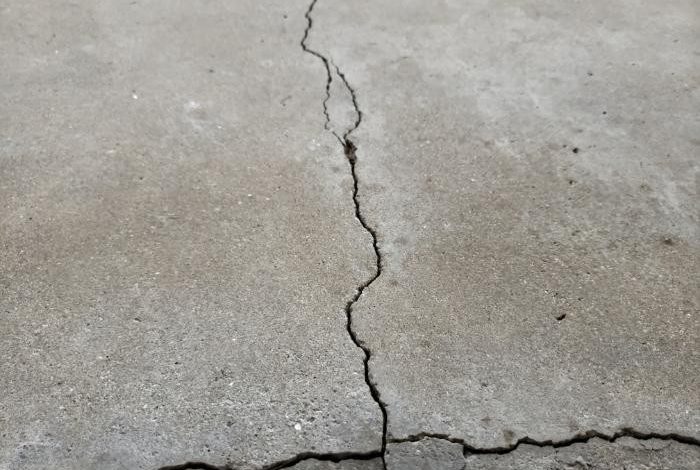
Cracks are among the most noticeable signs of foundation movement, but not every crack carries the same meaning. Concrete naturally develops small cracks as it cures, shrinks, and responds to normal changes.
The pattern often matters more than the simple presence of a crack.
A thin crack that remains unchanged for years may be less concerning than one that becomes wider over several months. Cracks running across several surfaces or appearing alongside uneven flooring may point toward movement below the structure.
Other warning signs include doors that suddenly rub against their frames, windows that become difficult to open, gaps between walls and ceilings, separated trim, and cracks in exterior masonry.
Taking dated photographs provides a simple way to track changes. Measuring a crack periodically also creates a record of movement. When several symptoms develop at the same time, an inspection may provide clearer answers than judging each sign separately.
What Settlement Means Beneath Your Foundation
Settlement occurs when the ground beneath a structure changes position or loses some of its ability to support the foundation evenly.
Some settlement happens naturally after construction. Problems become more concerning when one section moves differently from another. This is known as differential settlement.
Imagine one side of a slab remaining nearly level while another section sinks slightly. The concrete connecting those areas is placed under stress. That stress may eventually show up as cracks, sloping floors, wall separation, or doors that no longer sit squarely within their frames.
For that reason, effective slab foundation repair focuses on more than closing visible cracks. The condition beneath the concrete needs to be understood first. Filling a wall crack may improve its appearance, but cosmetic work alone does not correct continuing soil movement underneath the structure.
What Happens During A Foundation Inspection
A foundation inspection looks at patterns across the entire structure rather than focusing on a single crack.
The evaluation may begin with visible interior and exterior conditions. An inspector may look at walls, floors, doors, windows, masonry, and areas where different building materials meet. An inspector may also measure floor elevations to identify sections that sit higher or lower than surrounding areas.
Drainage deserves attention as well. Downspouts that release water near the foundation, low areas where rain collects, or grading that directs water toward the structure may affect soil conditions.
When plumbing problems are suspected, additional testing may be appropriate. A hidden leak beneath concrete could contribute to changes that resemble ordinary settlement.
The inspection process should answer several important questions. Is movement present? Which areas appear affected? Does the movement appear active? What conditions are contributing to it? Those answers provide a much stronger starting point than choosing a repair based only on a crack’s appearance.
Common Ways Slab Movement Gets Corrected
No single foundation method fits every structure or every soil condition. The appropriate response depends on what is causing the movement, how much movement has occurred, and which parts of the slab are affected.
Some properties may require underpinning or pier systems designed to provide support at greater depths. Other situations may involve localized stabilization or drainage corrections around the structure. When plumbing leaks contribute to soil changes, resolving the water source becomes part of the process.
A slab foundation repair plan should focus on the source of the movement rather than treating every visible symptom as a separate problem.
Cosmetic repairs often come later. Drywall cracks, damaged trim, flooring gaps, or exterior cracks may need attention after stabilization work is complete. Repairing those areas too early may require rework if the foundation is still shifting.
What Happens After Foundation Work Is Finished
Foundation work is often followed by a period of observation. The structure has moved over time, so cosmetic signs may not disappear immediately after stabilization.
Doors may need adjustment. Drywall or masonry cracks may require repair. Flooring may need attention in areas affected by previous movement. Drainage improvements may also remain part of ongoing property maintenance.
Keeping inspection reports, photographs, measurements, invoices, and repair records together creates a useful history of the structure. If a new crack appears later, previous documentation makes comparisons much easier.
Property occupants should also continue watching drainage patterns and changes around the structure. Water collecting near the slab, leaking plumbing, or significant changes in soil moisture deserve attention before they become bigger problems.
Catch Foundation Movement Before It Spreads
Cracks and uneven floors do not automatically mean a foundation is failing. They can signal what’s happening below the surface.
Pay attention to patterns. A growing crack combined with sticking doors, sloping floors, or wall separation deserves more attention than one small cosmetic crack that has remained unchanged for years.
Early investigation also provides more choices. When you identify movement and understand its cause, slab foundation repair can focus directly on the affected areas instead of waiting for additional structural changes to develop.
A slab carries an enormous load every day without drawing much attention. Watching for changes above it can provide valuable clues about what may be happening underneath.
If you are noticing cracks, settlement, uneven floors, or other foundation changes around your Carmel property, Carmel Foundation Repair Experts provides foundation inspection and repair services for a range of structural concerns. To learn more about available services and your next steps, click here.