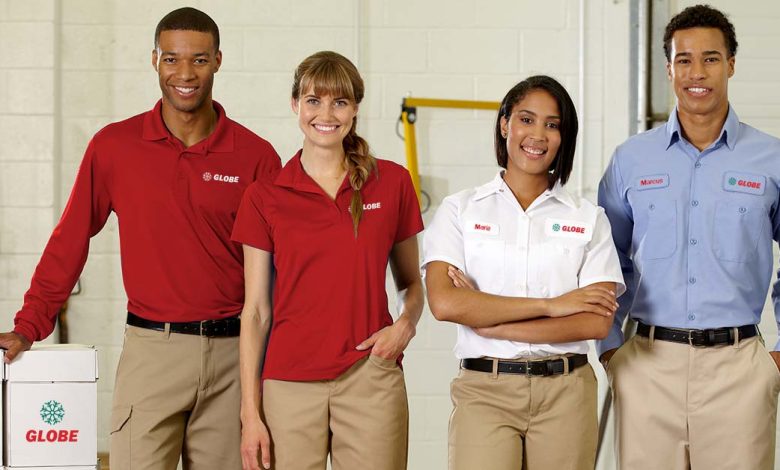
Uniform management has become an essential operational strategy for organizations that prioritize professionalism, consistency, and efficiency across their workforce. As industries evolve and employee expectations shift, businesses increasingly rely on structured uniform programs to streamline processes, reduce administrative burden, and strengthen brand identity. A well-designed solution supports both daily operations and long term organizational goals, making uniform management a valuable investment for companies of all sizes.
Improved Brand Consistency Across All Departments
Uniform management solutions help organizations maintain a cohesive brand image by ensuring employees wear apparel that aligns with company standards. Concepts like brand alignment and visual consistency reinforce how apparel influences public perception.
A structured program ensures that colors, styles, and logo placements remain consistent across departments and locations. Many companies partner with reputable Coggins Promo to achieve this level of uniformity, benefiting from professional guidance and reliable apparel coordination. When employees present a unified appearance, customers experience a stronger sense of trust and professionalism.
Reduced Administrative Work Through Centralized Management
Managing uniforms internally can be time consuming, especially for organizations with large or distributed teams. Concepts like program coordination and workflow efficiency highlight how centralized solutions reduce administrative strain.
Uniform management partners handle tasks such as inventory tracking, employee allocations, ordering cycles, and replacement schedules. This support allows internal teams to focus on core responsibilities while maintaining confidence that apparel needs are consistently met.
Enhanced Employee Experience Through Reliable Apparel Availability
Employees rely on uniforms that fit well, feel comfortable, and support daily responsibilities. Concepts like workplace comfort and garment reliability reinforce how apparel influences employee satisfaction.
Uniform management solutions ensure that employees receive the correct garments on time, reducing frustration and improving overall morale. Reliable availability also supports smoother onboarding, helping new hires feel prepared and confident from their first day.
Greater Operational Efficiency Through Predictable Processes
Uniform management programs introduce structure and predictability into apparel workflows. Concepts like process standardization and operational consistency highlight how standardized processes support efficiency.
Predictable ordering cycles, clear communication, and streamlined distribution help organizations avoid delays and maintain steady operations. When apparel processes run smoothly, businesses experience fewer disruptions and improved productivity across teams.
Cost Control Through Strategic Inventory and Lifecycle Planning
Uniform management solutions help organizations control costs by optimizing inventory levels and planning garment lifecycles. Concepts like cost efficiency and inventory planning reinforce how strategic management reduces waste.
By monitoring wear patterns, replacement needs, and seasonal changes, uniform partners help businesses avoid overordering and reduce unnecessary expenses. This approach supports long term financial stability and ensures apparel budgets remain predictable.
Stronger Compliance With Industry and Safety Standards
Many industries require uniforms that meet specific safety, hygiene, or regulatory guidelines. Concepts like safety compliance and industry standards highlight how apparel influences compliance.
Uniform management partners ensure that garments meet required specifications, whether related to visibility, protective materials, or sanitation. This support helps organizations maintain regulatory alignment and protect employees in environments with specialized safety needs.
Scalability That Supports Organizational Growth
As businesses expand, their uniform needs evolve. Concepts like scalable uniform programs and workforce adaptability reinforce how scalability supports long term success.
Uniform management solutions adapt to changing workforce sizes, new locations, and updated brand guidelines. This flexibility ensures that apparel programs remain effective and aligned with organizational growth.
Conclusion
Businesses invest in uniform management solutions because they support brand consistency, reduce administrative work, improve employee experience, enhance operational efficiency, control costs, strengthen compliance, and scale with organizational growth. When these benefits work together, companies gain a dependable system that supports professionalism and long term stability across their workforce.