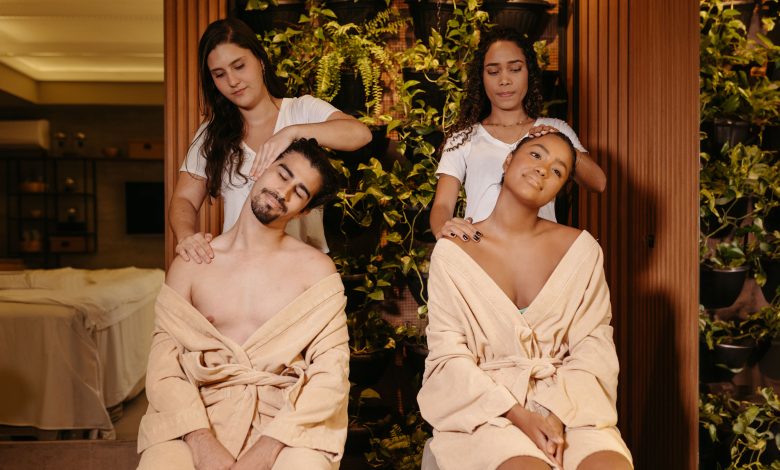
Creating a relaxing experience for two is a thoughtful way to reconnect, unwind, and enjoy meaningful time together. Whether it is a special occasion or simply a moment to pause from daily responsibilities, planning a shared relaxation experience requires intention and care. The right atmosphere, activities, and pacing can transform an ordinary day into something restorative and memorable. When both partners feel comfortable and fully present, the experience becomes a source of calm that strengthens the bond between them.
Choosing an Atmosphere That Encourages Calm
The foundation of any relaxation experience is the environment. Soft lighting, gentle music, and a peaceful setting help both partners ease into the moment. Whether the experience takes place at home or in a spa, the atmosphere should feel soothing and free from distractions. Creating a space that encourages slow breathing and quiet presence allows both individuals to settle into a shared sense of calm. This intentional environment sets the tone for the rest of the experience.
Selecting Activities That Support Shared Comfort
Relaxation looks different for everyone, so choosing activities that appeal to both partners is essential. Some couples enjoy a warm bath, others prefer soothing treatments, and some find comfort in simple stillness. Shared activities should feel natural and enjoyable rather than rushed or structured. Many couples choose couples massage packages in Denver because they offer a balanced blend of comfort, connection, and professional care. Selecting activities that support both physical ease and emotional closeness helps create a meaningful experience.
Allowing Time for Slow Transitions
Relaxation cannot be rushed. Building in time for slow transitions helps both partners ease into and out of the experience. This might mean starting with a quiet moment, enjoying a warm drink, or simply sitting together before beginning any planned activities. Allowing space between each part of the experience helps maintain a sense of calm. These gentle transitions create a rhythm that supports deeper relaxation and prevents the experience from feeling hurried.
Incorporating Elements That Appeal to the Senses
Engaging the senses enhances relaxation and helps create a more immersive experience. Soft textures, calming scents, warm lighting, and soothing sounds all contribute to a peaceful atmosphere. These sensory elements help quiet the mind and encourage deeper presence. When both partners experience these sensations together, the moment becomes more grounding and memorable. Sensory details add depth to the experience and help create a feeling of comfort that lingers.
Creating Space for Connection
A shared relaxation experience is not only about physical comfort but also about emotional closeness. Creating space for connection allows partners to enjoy the moment together. This might involve gentle conversation, shared silence, or simply being present side by side. The goal is to foster a sense of unity and ease. When both individuals feel connected, the experience becomes more meaningful and restorative.
Balancing Structure With Flexibility
While planning helps create a smooth experience, flexibility ensures that the moment remains enjoyable. Allowing the experience to unfold naturally prevents it from feeling rigid or overly scheduled. If one partner prefers to linger in a particular activity or shift to something different, the plan should adapt easily. This balance between structure and spontaneity helps maintain a sense of ease and supports a more authentic shared experience.
Prioritizing Comfort Throughout the Experience
Comfort is essential for relaxation. Ensuring that both partners feel physically and emotionally at ease allows the experience to unfold smoothly. This might involve adjusting lighting, choosing comfortable seating, or selecting activities that feel restorative rather than demanding. When comfort is prioritized, both individuals can fully relax and enjoy the moment without distraction.
Ending With a Gentle Return to Routine
A thoughtful ending helps preserve the sense of calm created during the experience. Allowing time to sit quietly, breathe deeply, or simply enjoy each other’s company helps ease the transition back into daily life. This gentle return supports a lasting sense of relaxation and helps both partners carry the benefits of the experience with them. Ending slowly ensures that the moment feels complete and satisfying.
Conclusion
Planning the perfect relaxation experience for two involves creating a calming atmosphere, choosing meaningful activities, allowing slow transitions, engaging the senses, fostering connection, maintaining flexibility, prioritizing comfort, and ending gently. When these elements come together, couples can enjoy a shared moment of peace that strengthens their bond and supports overall well being.