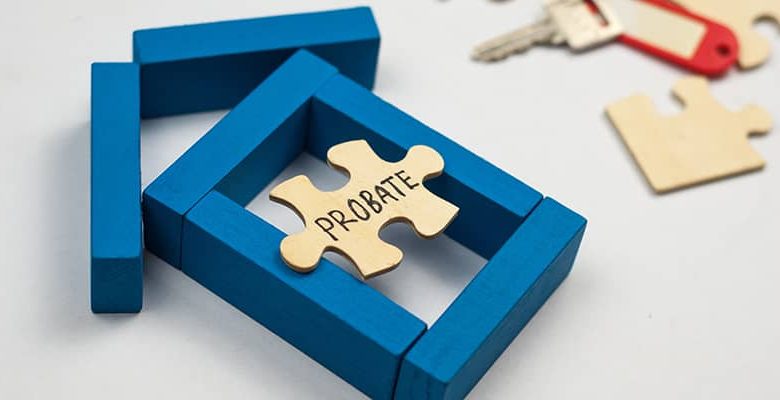
Navigating probate in North Carolina can be a daunting task. It’s a legal process that occurs after someone dies, where their estate gets distributed according to their will or state law. Understanding the steps involved helps you manage this process smoothly, ensuring that assets are properly allocated. You must know who handles probate, what paperwork is necessary, and how to handle any disputes that arise. Beginning the journey with a clear roadmap can prevent stress and confusion. At lisa-law.com, you’ll find resources and guidance tailored to North Carolina’s specific procedures. It’s important to approach probate with patience and clarity, recognizing that it can take time and persistence. You are not alone, and understanding each step can empower you to handle probate confidently. With the right information, you can provide a respectful and fair resolution for your loved one’s estate.
Initiating Probate
To start probate, file a petition with the Clerk of Superior Court in the county where the deceased lived. This action opens the estate and allows the court to appoint a personal representative or executor. You will need the original will, if available, and a certified death certificate. Once appointed, the executor manages the estate, paying debts and distributing assets.
Executor Duties
The executor’s role involves several responsibilities. First, identify and secure all assets of the deceased. This includes property, bank accounts, and personal items. Then, notify all known creditors and publish a notice in a local newspaper to inform unknown creditors. The executor must pay valid debts and taxes before distributing remaining assets to heirs or beneficiaries as outlined in the will or state law.
Handling Disputes
Disputes can arise during probate. Heirs might contest the will, or creditors may claim debts. In such cases, the court may intervene to resolve the issues. An experienced attorney can offer guidance, ensuring disputes get resolved fairly. For more information on handling probate disputes, visit the North Carolina Judicial Branch.
Probate Timeline
Probate duration can vary. Simple estates might conclude in a few months, while complex ones could take over a year. Timely submission of required documents and prompt settlement of debts can expedite the process. Check with your local clerk for specific timelines and requirements.
Small Estate Procedures
North Carolina offers simplified procedures for small estates. If the estate’s total value falls below a certain threshold, you can use an affidavit to claim assets without full probate. This process saves time and resources. Verify eligibility through the North Carolina Department of Health and Human Services.
Comparison of Probate vs. Small Estate
| Procedure | Criteria | Process Time | Cost |
|---|---|---|---|
| Probate | All estates | 6-12 months | Higher |
| Small Estate | Value under threshold | 1-3 months | Lower |
Conclusion
Understanding probate in North Carolina is crucial for managing a loved one’s estate. With knowledge and preparation, you can navigate this process effectively. Knowing the steps and options ensures you handle duties with confidence and care. For those eligible for small estate procedures, take advantage of the simplified process. Always consult with legal professionals when in doubt, ensuring compliance with state laws. The goal is to provide a respectful and fair resolution for all parties involved.